01
10+ Years
Energy and Utilities
What this means
Experience in strategy, transformation, and operating model design across the energy and utilities sector.

Sector Transformation
Control operations, technologies, processes, and responsibilities are changing simultaneously. 4C integrates technical requirements, investment decisions, and organizational design—leading the transformation from the target vision through to sustainable business-as-usual operations.
Distribution system operators are expanding their networks while simultaneously transforming how they are managed and controlled. New regulatory requirements, intelligent metering and control systems, IT/OT integration, system migrations, and organizational change are becoming increasingly interconnected.
Introducing individual technologies or delivering projects sequentially is therefore not enough. The target vision, investments, architecture, organization, and future operating model must align—while ensuring reliable service continuity and stable day-to-day operations.
Energy and Utilities
Experience in strategy, transformation, and operating model design across the energy and utilities sector.
From Target Vision to Business-as-Usual Operations
Decisions, transformation, migration, and operational handover guided by one integrated approach.
Making decisions together
Architecture, investment, organization, and operational readiness are brought together.
largest German distribution system operators
Successfully completed projects and well-established client relationships.
The challenge does not lie in any single technology. It arises when investment, control operations, IT/OT, organization, partners, and future operations can no longer be decided independently.
Network expansion, digitalization, system modernization, and regulatory initiatives compete for capital and delivery capacity.
New control requirements are reshaping technology, processes, roles, governance, and system landscapes.
Section 14a, metering operations, and redispatch requirements must be embedded in processes, systems, and accountabilities.
New capabilities are required while internal resources and skilled professionals remain limited.
Rollouts, migrations, sourcing transitions, and organizational change are becoming increasingly interdependent.
Systems may be technically live even though processes, data, support, and accountabilities are not yet operationally ready.
CTO Agenda
Future-proof network operations in three steps—for a secure, efficient, and digital energy system.
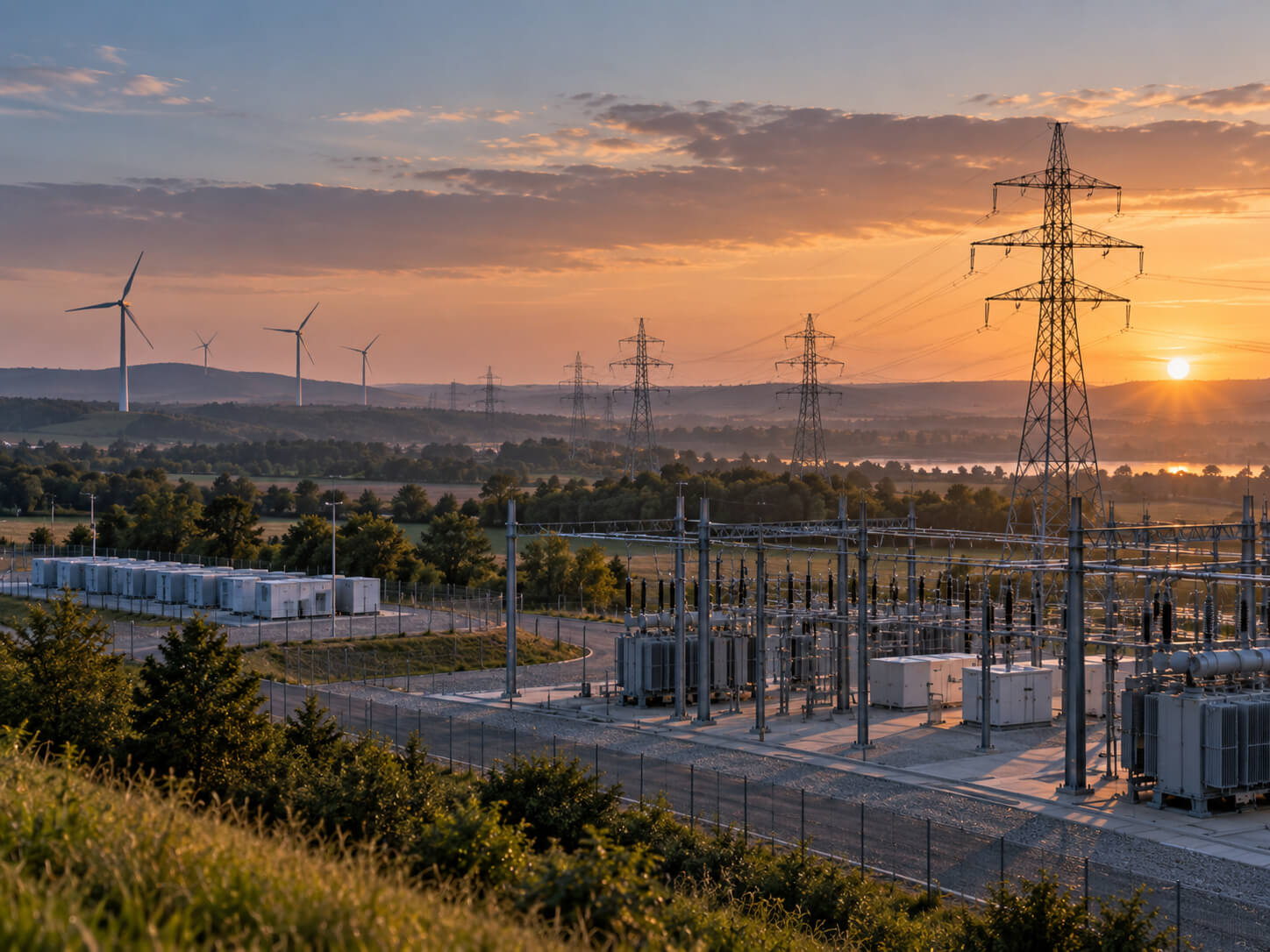
The operating model, architecture, investment priorities, and required capabilities are defined, creating a shared foundation for transformation and operations.
4C brings together technical requirements, operational realities, and organizational decisions in a robust target vision and translates it into tangible decision and implementation steps.
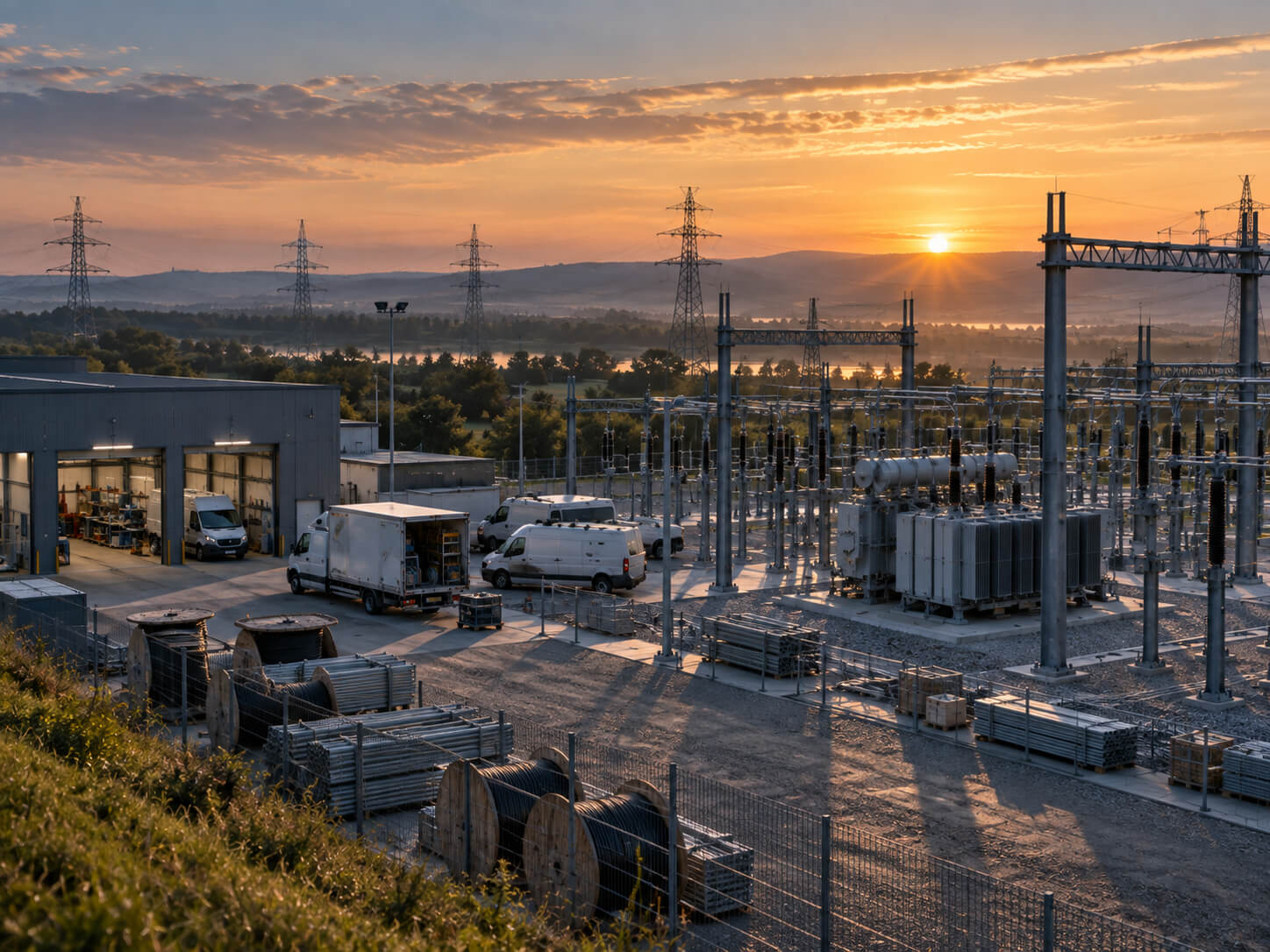
Programs, migrations, and rollouts are prioritized, dependencies are transparent, and decision-making is organized to enable change while operations continue.
4C establishes the program and decision-making framework, synchronizes technical and organizational change, and manages critical transitions through go-live.

Processes, roles, service levels, data, and support are prepared so that the line organization can reliably take over and manage new systems and services.
4C defines operational readiness and handover criteria early and ensures that the operating organization, partners, and processes are aligned before transition.
A Practical Starting Point
Not every transformation challenge starts with a multi-year program. The check provides a robust foundation for the next management decision in a short period of time.
Target Vision and Decision-Making
Is the target vision sufficiently clear to make architecture, investment, or sourcing decisions?
Transformation
Are priorities, dependencies, and decision-making processes set up to enable programs and migrations to move forward?
Operational Readiness
Are the organization, processes, data, service levels, and partners prepared for the handover?
Outcome
Network transformation is not determined by architecture, control systems, or rollouts alone. It affects investment, organization, sourcing, operational readiness, and security of supply.
This is where 4C comes in: We bring together technical requirements, economic decisions, and organizational implications—and steer implementation through to stable business-as-usual operations.
We consolidate technical options, investment implications, and operational requirements into a robust basis for decision-making for executive management and CTO organizations.
We independently assess IT/OT architectures, sourcing options, and operating models based on their economic viability, feasibility, and suitability for future network operations.
We make investment implications, IT/OT dependencies, resource constraints, and operational risks transparent before architecture, sourcing, or rollout decisions become difficult to reverse.
We structure programs, decisions, migrations, and handovers so that change can be effectively managed while network operations continue.
We embed new systems and services into roles, processes, service levels, data, and partner structures—turning project outcomes into stable business-as-usual operations.
Experts

Strategy and transformation projects in Digital Technology & Infrastructure

Transformation of grid operations, system management and operating models
Energy Networks Transformation describes the evolution of technical network operations as an integrated management challenge. The target vision, architecture, investment, organization, transformation, and future operations are addressed as interconnected elements rather than in isolation.
The approach is particularly relevant for distribution system operators and network companies that need to manage technical, organizational, and commercial change in parallel.
4C does not provide technical network planning or asset design. We support management in linking technical requirements with investment decisions, operating models, organization, and implementation.
Digitalization and enhanced controllability increase the interdependencies between network technology, IT, communications, data, and cybersecurity. These dependencies need to be addressed together in the target vision, the transformation, and future operations.
Not only shortly before go-live. Roles, service levels, support, data, and handover criteria should be incorporated from the target vision and throughout the transformation.
An Energy Networks Transformation Check assesses the current situation, outstanding decisions, dependencies, and priorities within four to six weeks, consolidating the findings into a decision paper for executive management.
We would be happy to discuss which decision currently offers the greatest leverage for your network operations.
Energy Networks Transformation
Together, we assess whether the target vision, transformation, or operational readiness is currently the critical management question for your organization.
Discuss Your AgendaRecognized
Recognized by our clients and partners